
Engaging the Audience
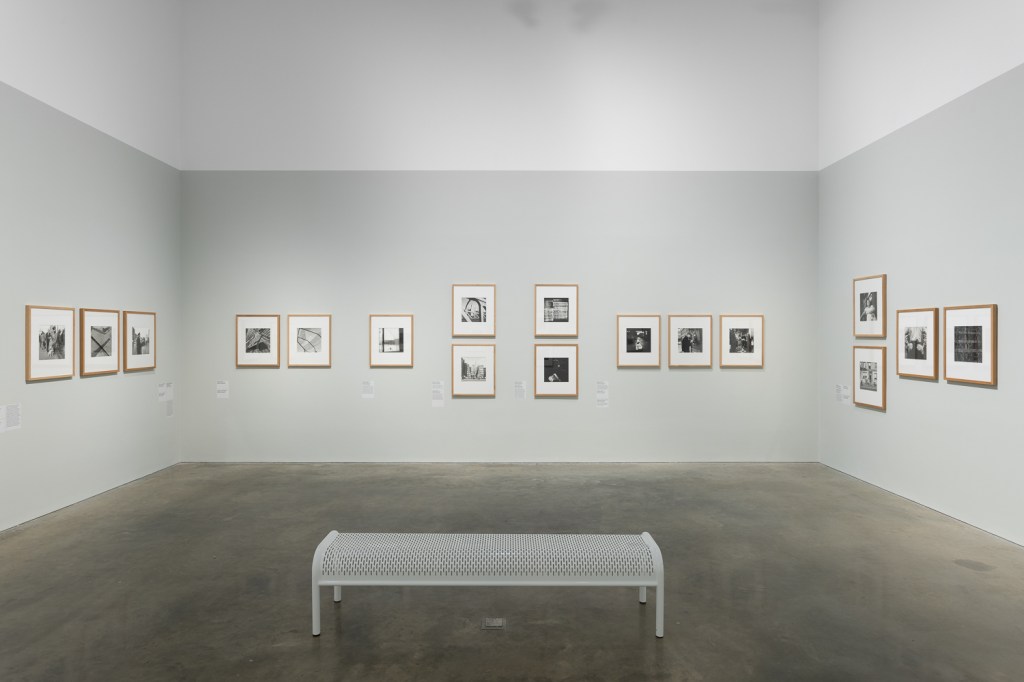
“Vivian Maier: Anthology” is one of many curations of Vivian Maier photographers, the secretive nanny with a camera. But this one reveal more deeply her enormous archive that ranges from street scenes to clandestinely shot portraits, sculptural closeups of torsos and fabrics to knowingly conceptual self-portraits. This exhibition explores the arc of her constantly creative life through 140 photographs that spoke volumes about her self-assurance and seeming indifference to fame and recognition.
Curating a photography show is an art in itself. The best-curated photography exhibitions are those that are able to showcase the photographer’s vision and message in a way that is both engaging and thought-provoking.
“Anthology” does that, challenging viewers to reflect about how they relate with anonymity, specially on such a mediatic period of the world. In a world where everything is posted on social media, Vivian Maier invites us to appreciate the process of making art more than its recognition by others.
According to Susan Bright, also when curating an exhibition, “you do have to entertain and be sure people are moving or dancing throughout your exhibition. You have to think about architecture and design and keep people interested. It’s really an ongoing process as you go through the space”. On “Anthology”, the space also invited the viewer to interact with the images on a deeper level, creating this profound experience with the way Maier would see her life and the America she was photographing.
When we consider photobooks, a good layout and page design are critical for creating the most effective materials. The design should always be driven by the purpose and intention of the book. Sybren Kuiper is a contemporary Dutch graphic designer who specializes in narrating stories through images and text. His ten rules below are written from the perspective of a graphic designer when working with a photographer on a photobook project.
#1. Never forget the basics: a photo book has two defining qualities: 1. it is a book; 2. it is full of photographs.
#2. When you start designing don’t listen to the photographer. Listen to the photos, then to the photographer.
#3. Design with your heart. Check with your head. Or the other way around.
#4. A book is not an exhibition. A page is not a wall. A book has specific physical qualities you have to use.
#5. ‘Time; and therefore ‘timing’ are defining factors of a book. Because of the turning of the pages, books become almost inevitably narratives. Stories.
#6. A good edit is key. A good edit is essential. A good edit is crucial. A good edit is vital. A good edit is fundamental. A good edit is critical etc.
#7. Designing a photo book is often a matter of problem solving. Don’t just solve the problems. Try to make your solutions the backbone of your ‘narrative.’
#8. A good book is built on just a few design ideas. Stick to them relentlessly, despite the darling you may have to kill along the way. It can be a massacre (trust me).
#9. Designing a photo book is not about showing off your graphic design skills. It is about your ability to bring out the photo’s full potential.
#10. When your client is not really, really, really, really, really happy … start over.
International photo book designers
 Homero Aziz